“A well-aligned bite is not merely a cosmetic achievement, it is the foundation upon which lasting oral health is built.”
Bite misalignment is one of the most underestimated dental concerns. Many patients arrive at the clinic not fully aware that the discomfort they experience while chewing, the subtle strain in their jaw, or the wear on their enamel all trace back to a single root cause an improperly aligned bite. For decades, correcting these issues meant committing to metal brackets, wire adjustments, and a long list of dietary restrictions.
That conversation has changed.
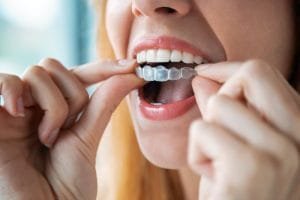
Invisalign treatment has redefined what orthodontic intervention looks like. Engineered with precision, backed by advanced digital technology, and crafted for patient comfort, clear aligners have proven themselves as a clinically credible solution for a growing range of bite conditions. But the question most patients ask before beginning their journey is a very reasonable one: Can Invisalign actually fix my bite problem?
This blog addresses exactly that, in full dental clinical detail, without the guesswork.
What is an Overbite?
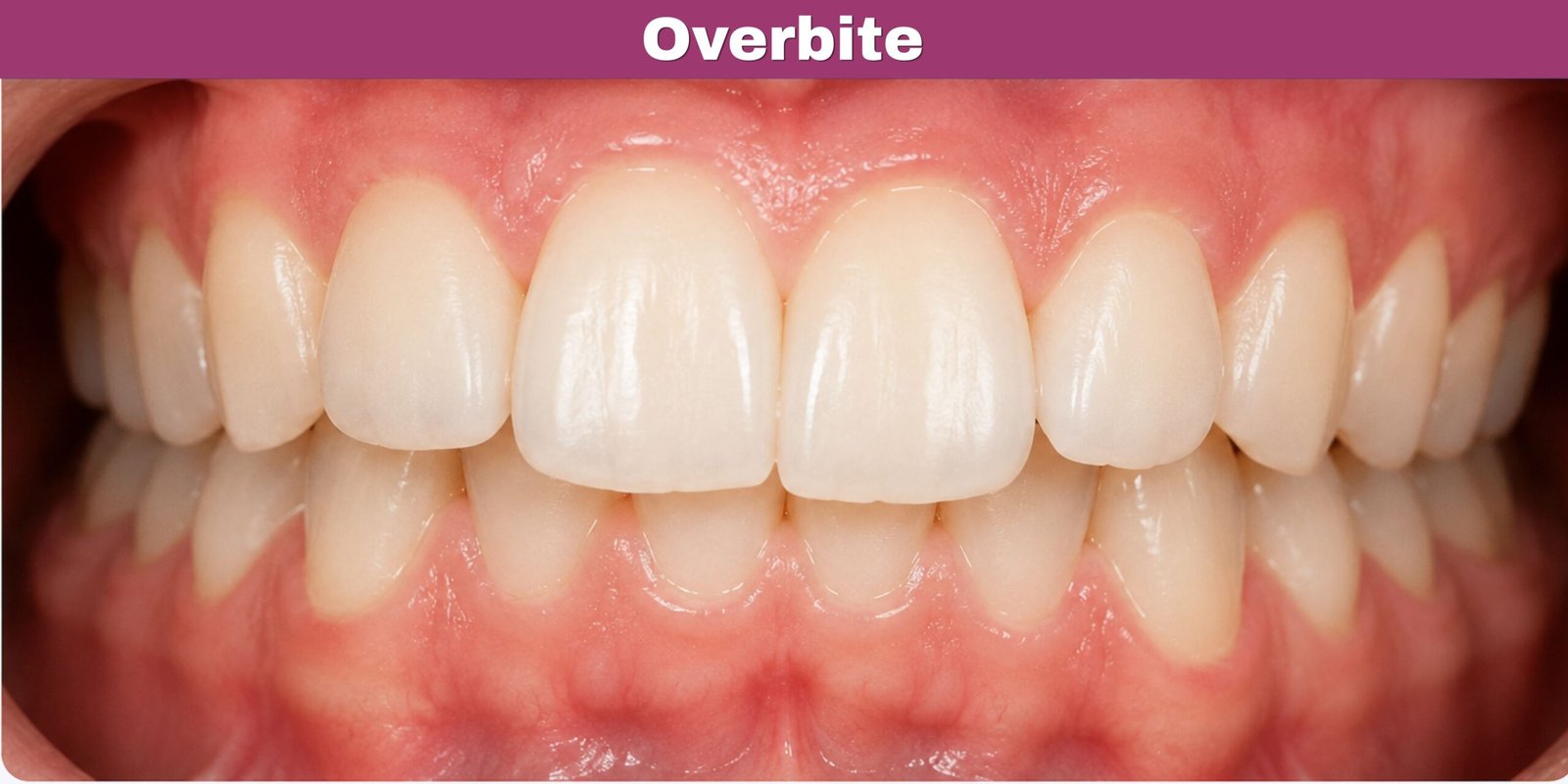
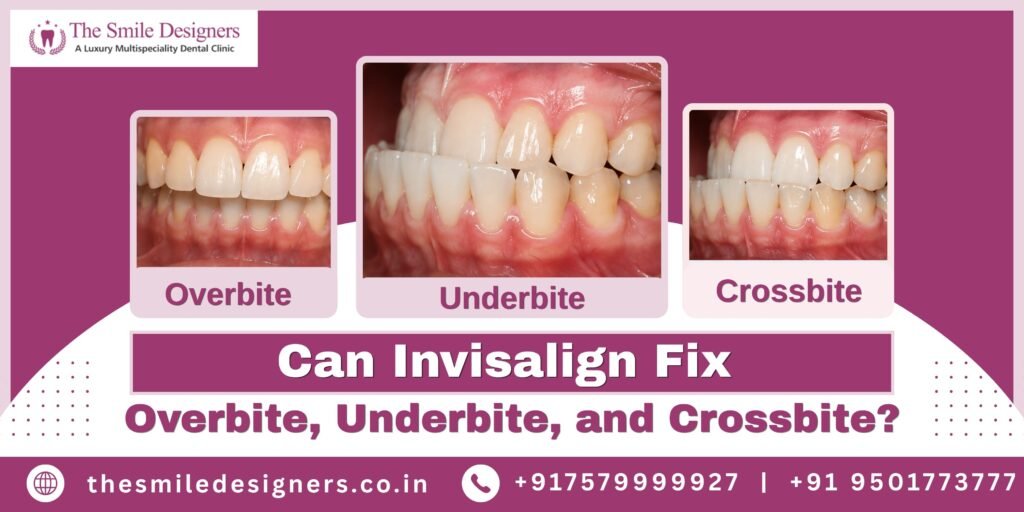
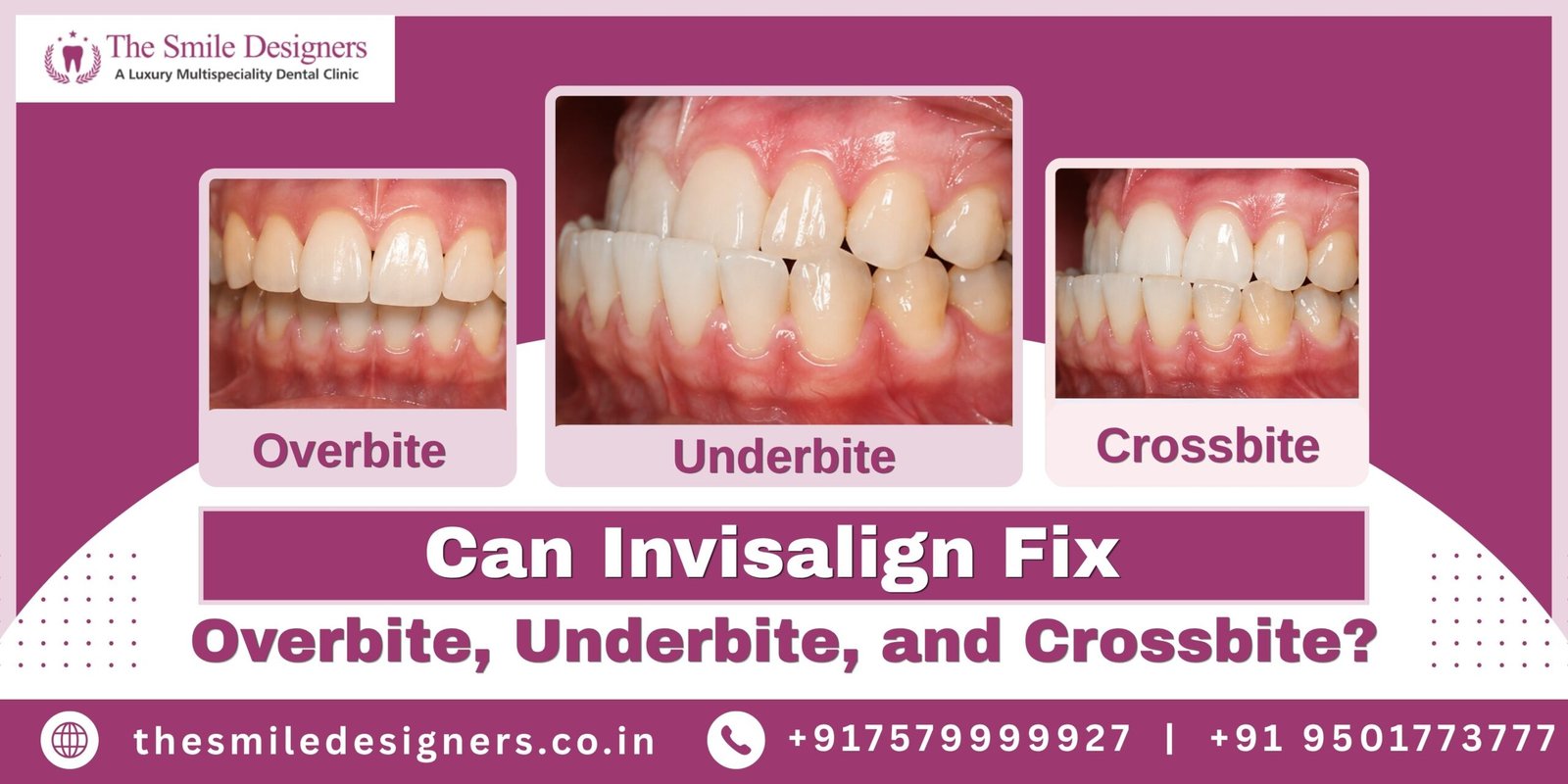
An overbite is a malocclusion in which the upper front teeth excessively overlap the lower front teeth in a vertical direction. A mild degree of overbite is considered normal and even functionally necessary. However, when the overlap becomes pronounced, it is classified as a deep overbite, a condition that warrants orthodontic treatment for bite problems.
Common Causes
- Genetics and inherited jaw structure
- Prolonged thumb-sucking or pacifier use in early childhood
- Teeth grinding (bruxism)
- Missing lower teeth, causing the upper teeth to drop further
Signs and Symptoms
- Visible protrusion of the upper teeth over the lower
- Jaw pain or tension, particularly after eating
- Speech impediments such as lisping
- Uneven wear on the enamel surfaces of lower teeth
- Difficulty fully closing or opening the mouth
Risks of Leaving It Untreated
An unaddressed deep overbite can lead to progressive enamel erosion, temporomandibular joint (TMJ) dysfunction, chronic facial pain, and in advanced cases, damage to the soft tissue of the palate where the lower teeth make contact. The aesthetic impact is equally significant, an overbite can alter the natural resting position of the lips and chin.
Did You Know?
Malocclusion (including overbite, underbite, and crossbite) is one of the most important oral health problems worldwide and is the third most prevalent, after dental caries and periodontal disease, according to the World Health Organization (WHO). However, many people with affected bites do not get treatment and bite problems progress quietly over time to more severe structural and functional problems.
Can Invisalign Fix an Overbite?
The answer, for many patients, is a definitive yes. Can Invisalign fix overbite conditions? This is the most frequently posed question in initial consultations, and clinical evidence consistently supports its efficacy for mild to moderate presentations.
Invisalign overbite treatment works by applying precisely calibrated forces to the upper and lower arches simultaneously. A sequenced series of custom-fabricated aligners gradually repositions the teeth, reducing the vertical overlap and creating a healthier occlusal relationship.
Key considerations include:
- Mild to moderate overbites respond exceptionally well to clear aligner therapy. The SmartTrack® material used in Invisalign aligners enables predictable, controlled tooth movement that can address vertical discrepancies with notable accuracy.
- Attachments and elastics are frequently incorporated into the treatment plan. Precision-cut hooks on the aligners allow the use of intermaxillary elastics, rubber bands that guide the jaw into a corrected position, augmenting what the aligners achieve on their own.
- Severe skeletal overbites, those stemming from significant jaw bone discrepancies rather than tooth positioning may require a combined approach involving orthognathic surgery in addition to aligner therapy. Your orthodontist will evaluate this during the diagnostic phase.
What is an Underbite?
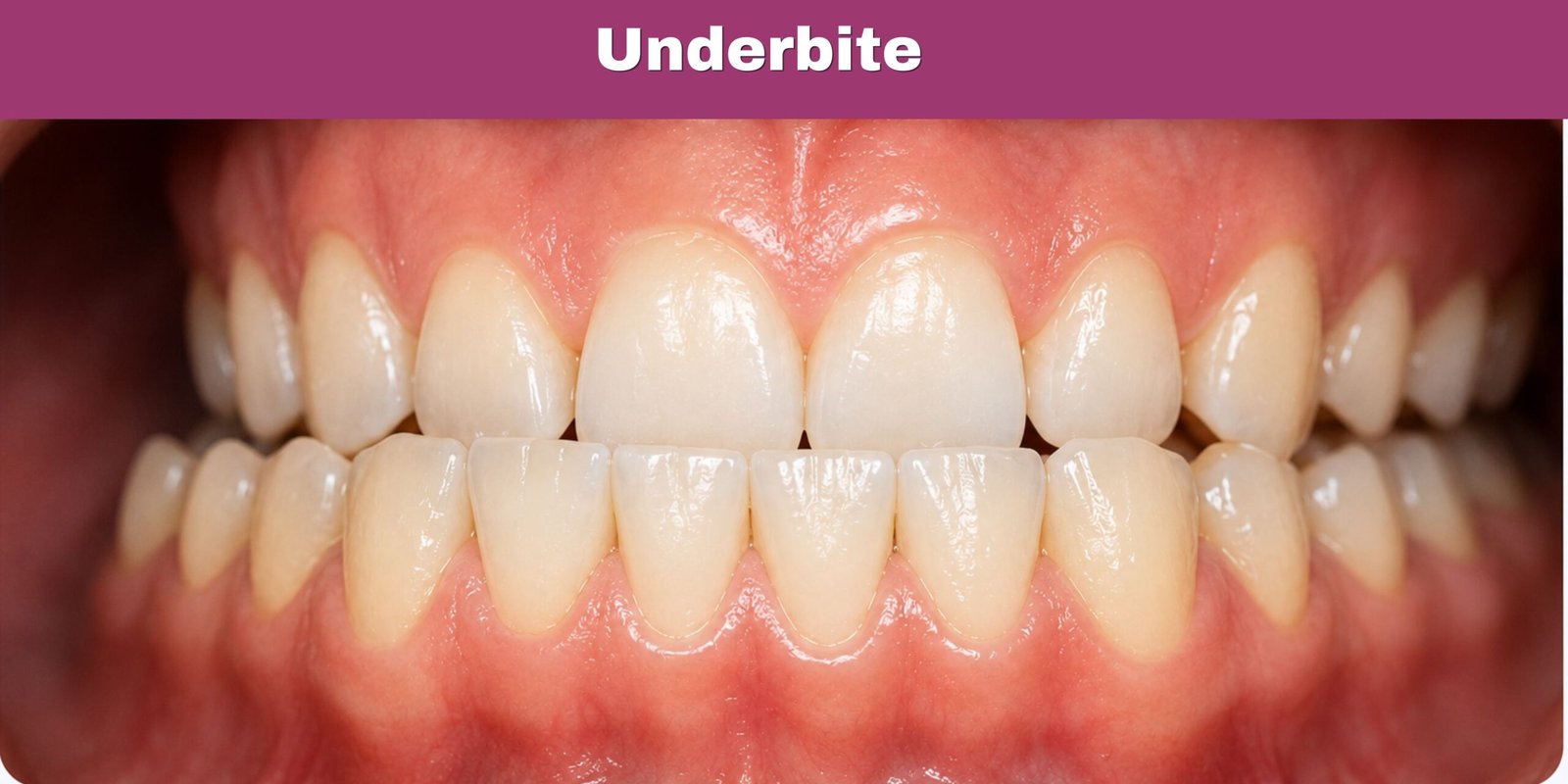
An underbite, or Class III malocclusion, is the condition in which the lower jaw and its corresponding teeth protrude anterior to the upper teeth. Unlike the overbite, the lower arch dominates the bite relationship.
Causes
- Undergrowth of the upper jaw
- Overgrowth of the lower jaw
- Dental crowding patterns that push lower teeth forward
- Hereditary skeletal structure
Impact on Chewing and Appearance
An underbite places undue stress on the anterior teeth during mastication. This can result in chipping, accelerated enamel wear, and significant difficulty in biting through food. From a facial aesthetics standpoint, a prominent underbite can cause a characteristic “jutting” of the chin that affects facial symmetry.
Can Invisalign Fix an Underbite?
Invisalign underbite correction is achievable in a meaningful proportion of cases, particularly those driven by dental positioning rather than skeletal jaw discrepancy.
- Mild and moderate dental underbites can often be successfully corrected through a combination of aligner mechanics and strategically placed attachments. The aligners reposition the upper and lower tooth arches to bring them into proper occlusal harmony.
- Severe jaw discrepancies, where the mandible is structurally larger than the maxilla, may necessitate surgical orthodontic intervention (orthognathic surgery) in conjunction with aligner therapy.
- Early evaluation is paramount. For adolescent patients, initiating Invisalign for underbite during the growth phase of jaw development can significantly improve treatment outcomes. The earlier the intervention, the less invasive the overall treatment pathway tends to be.
Invisalign bite correction in underbite cases is most effective when planned in a multi-disciplinary context, particularly if jaw growth has been identified as a contributing factor.
What is a Crossbite?
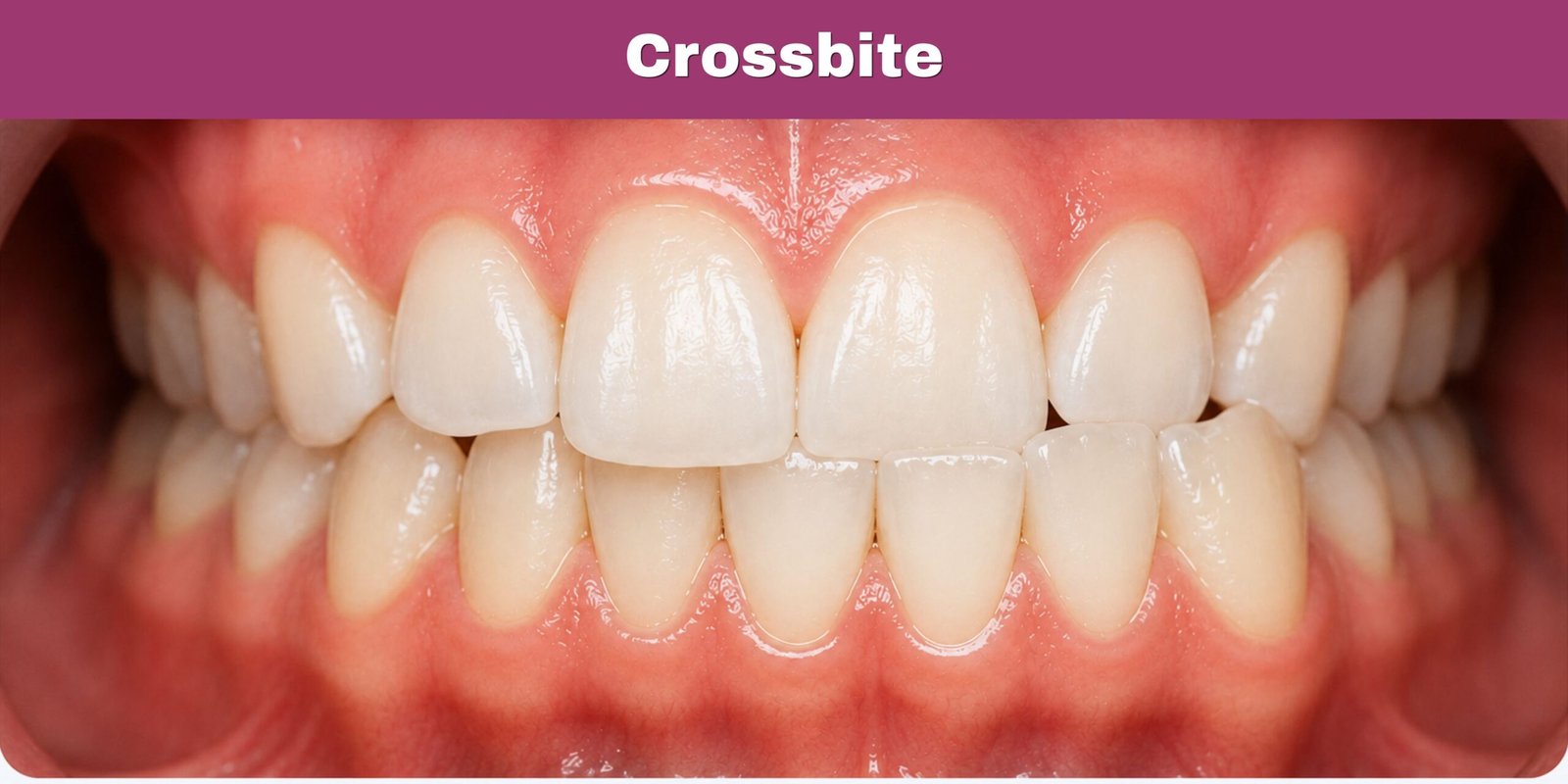
A crossbite is when one or more upper teeth bite into the bottom tooth(s) on either the cheek side or the tongue side. In this condition, called a crossbite, one or more teeth may cross the midline, or a section of the dental arch. In a crossbite, one or more teeth cross the midline or a part of the dental arch.
Types of Crossbite
- Anterior crossbite: The upper front teeth sit behind the lower front teeth.
- Posterior crossbite: The upper back teeth fall inside the lower back teeth during biting. This is the more common presentation and may affect one side (unilateral) or both sides (bilateral) of the arch.
Why Treatment is Important?
If left untreated, a crossbite will cause unequal forces on the TMJ (jaw joints and muscles). Over time, this may lead to facial asymmetry, TMJ disorders, tooth wear and gum recession at the affected sites. If left untreated, an untreated crossbite in growing patients can result in permanent changes to the shape of the jaw.
Can Invisalign Fix a Crossbite?
Invisalign for crossbite has demonstrated strong clinical success across a wide range of presentations.
- Mild to moderate crossbites, whether anterior or posterior, respond well to Invisalign crossbite treatment, particularly when the misalignment is dental in origin (related to tooth positioning) rather than skeletal (related to jaw bone size or shape).
- Precision cuts and elastics built into the aligner design allow for targeted lateral and torsional tooth movement, which is precisely what crossbite correction demands.
- Compared to traditional braces, clear aligner therapy for crossbite often provides a more comfortable correction pathway. There are no brackets that risk irritating the cheeks, and the removability of the aligners allows for unhindered oral hygiene maintenance throughout treatment.
- Bite correction with Invisalign in crossbite cases may also incorporate palatal expanders in certain patients, particularly younger patients still undergoing jaw development, to widen the upper arch before aligner therapy commences.
How Invisalign Corrects Bite Problems
Understanding the clinical mechanism helps patients appreciate the sophistication behind each aligner tray. The Clear Aligner Treatment Process encompasses several coordinated steps:
- Custom Digital Treatment Planning: The procedure starts with the high resolution 3D intraoral scan, which eliminates the need for conventional impressions. The resulting digital model is examined with the use of Invisalign’s own ClinCheck® software, which charts each step of tooth movement, from start to finish to the corrected bite.
- Gradual Tooth Movement: Each set of aligners is worn for approximately one to two weeks before being replaced by the next set in the sequence. Each tray achieves a small, precise increment of movement. Over the cumulative course of treatment, these increments produce comprehensive bite correction.
- SmartTrack® Aligner Material: Invisalign aligners are fabricated from a proprietary thermoplastic polymer called SmartTrack®. This material has been clinically engineered to apply consistent, gentle forces over the full duration of wear, resulting in more predictable tooth movement compared to earlier generation aligner materials.
- Attachments and Elastics: Tooth-colored composite attachments are bonded to specific teeth to function as handles, enabling the aligner to exert forces that would otherwise be impossible with smooth aligner surfaces alone. In bite correction cases, Class II or Class III elastics are often used in conjunction with precision-cut hooks on the aligners to address jaw position in addition to tooth alignment.
Invisalign vs. Traditional Braces for Bite Correction
Invisalign vs braces is a comparison that merits a clear, objective analysis. Both modalities are clinically effective; the choice often comes down to the complexity of the bite issue and the patient’s lifestyle considerations.
| Feature | Invisalign | Traditional Braces |
| Appearance | Nearly invisible | Visible metal brackets |
| Comfort | Smooth aligner edges, no wires | Metal brackets may cause irritation |
| Oral Hygiene | Removable easier to brush and floss | Fixed requires specialized cleaning tools |
| Mild to Moderate Bite Issues | Excellent outcomes | Excellent outcomes |
| Severe Skeletal Cases | Case-dependent may require adjuncts | Often preferred as the primary modality |
| Dietary Restrictions | None aligners are removed before eating | Significant hard and sticky foods avoided |
| Appointment Frequency | Less frequent check-ins | Regular tightening visits required |
For patients seeking invisible aligners for overbite or other bite corrections with minimal lifestyle disruption, clear aligner therapy offers a compelling advantage over fixed appliances.
How Long Does Invisalign Take for Bite Correction?
Treatment duration is one of the most variable aspects of Invisalign treatment and is contingent on the nature and severity of the bite problem. General clinical timelines are as follows:
- Mild overbite or crossbite: Approximately 6 to 12 months
- Moderate bite issues (overbite, underbite, crossbite): Typically 12 to 18 months
- Complex or multi-directional bite discrepancies: 18 to 24 months or longer
It is important to underscore that these are general ranges. Every patient’s dental anatomy is unique, and actual treatment duration is determined through individualized assessment. Consistent wear, a minimum of 20 to 22 hours per day, is the single greatest determinant of whether treatment concludes within the projected timeline.
Who is a Good Candidate for Invisalign?
Invisalign treatment is well-suited for:
- Teens and adults with mild to moderate bite misalignment
- Patients with dental crowding or spacing issues contributing to their bite problem
- Those committed to the discipline of wearing aligners consistently throughout the day
- Patients who prioritize aesthetics and lifestyle flexibility during their orthodontic journey
- Individuals who maintain a consistent oral hygiene routine
Candidacy is confirmed through a comprehensive clinical examination, digital X-rays, and 3D intraoral scanning. No two treatment plans are alike and that individualization is precisely what makes modern Invisalign bite correction so effective.
When Invisalign May Not Be Enough
Transparency is a cornerstone of responsible orthodontic care. While Invisalign treatment is a highly versatile tool, it is not universally appropriate for every bite scenario.
The following situations may require treatment modalities beyond clear aligners alone:
- Severe skeletal discrepancies, where the upper and lower jawbones differ significantly in size or position, cannot be corrected by tooth movement alone. These cases often require orthognathic surgery.
- If there is a significant deviation in the position of the condyle (the joint between the jaw and the skull), then fixed orthodontic appliances along with surgical treatment may be most suited to treatment.
- For skeletally mature adults, palatal expansion might be required and may necessitate surgical-assisted rapid palatal expansion (SARPE) prior to the start of aligner therapy.
Understanding these limitations allows for honest, well-informed patient consultations — and ultimately leads to better long-term outcomes.
Benefits of Choosing Invisalign for Bite Correction
For patients who are appropriate candidates, the advantages of invisible dental aligners for bite correction are substantial:
- Discreet aesthetics: The near-invisible nature of the aligners allows patients to undergo orthodontic treatment without the visual prominence of metal brackets.
- Comfortable treatment experience: The absence of wires and brackets eliminates the primary sources of soft tissue irritation associated with traditional braces.
- Removable for eating and hygiene: Patients can continue their regular dietary habits and maintain thorough oral hygiene without the constraints imposed by fixed appliances.
- Predictable digital planning:Using 3D simulation software, clinicians map every stage of tooth movement in advance, giving both the clinician and the patient a clear picture of the anticipated outcome before treatment begins.
- Fewer emergency appointments: Without the risk of bracket debonding or wire breakage, clear aligner patients typically experience fewer unscheduled clinic visits.
Key Takeaways
Before you move forward with your orthodontic journey, here is a concise summary of the most clinically important points covered in this blog:
- Overbite, underbite, and crossbite are all forms of malocclusion, bite misalignments that carry functional and structural consequences beyond their aesthetic impact. Left untreated, each condition has the potential to accelerate enamel wear, contribute to TMJ dysfunction, and alter facial structure over time.
- Clear aligner therapy is a clinically validated solution for mild to moderate bite problems. Overbites, underbites, and crossbites of dental origin respond well to the precisely calibrated forces delivered through sequenced aligner trays, particularly when attachments and elastics are incorporated into the treatment plan.
- Severe skeletal discrepancies require a different approach. When bite misalignment stems from jaw bone size or position rather than tooth placement alone, clear aligners may need to be combined with other interventions including orthognathic surgery to achieve a stable correction.
- Early evaluation is always advantageous. For adolescent patients, initiating treatment during the active jaw development phase expands the range of non-surgical options available and generally leads to shorter, less complex treatment pathways.
- The SmartTrack® material and ClinCheck® digital planning system are what distinguish modern Invisalign therapy from earlier-generation aligner products. Together, they enable predictable, incremental tooth movement that is mapped in full before a single tray is fabricated.
- Consistent aligner wear, a minimum of 20 to 22 hours per day is non-negotiable for achieving the results projected in the digital treatment plan. Patient compliance is the single greatest variable in treatment outcome.
- Invisalign and traditional braces are both effective for appropriate cases. The right choice depends on the nature of the bite problem, its severity, and the patient’s clinical and lifestyle profile, a determination best made in consultation with a qualified orthodontic specialist.
- A professional consultation is the only accurate starting point. No blog, however comprehensive, can substitute for a thorough clinical examination, 3D intraoral scan, and individualized treatment planning by an experienced provider.
Final Words
Bite misalignment, whether an overbite, underbite, or crossbite is a condition that deserves prompt, professional attention. Beyond the aesthetic implications, these conditions carry real functional and structural consequences that intensify over time when left unaddressed. The evolution of clear aligner technology has made orthodontic treatment for bite problems more accessible, more comfortable, and more aesthetically accommodating than any previous generation of treatment options.
If you have been contemplating Invisalign treatment near me or exploring whether clear aligners are the right solution for your specific bite concern, the most important step you can take is a thorough consultation with a qualified orthodontic professional.
The Smile Designers, recognized as a Top Dentist in Chandigarh & Mohali, offers comprehensive Invisalign treatment in Chandigarh and Invisalign treatment in Mohali with a team led by Dr. Shobit Sethi (MDS Orthodontics) and Dr. Apoorva Rana Sethi (MDS Endodontics). As a Diamond-tier Invisalign provider, the practice brings the full depth of clinical expertise and cutting-edge technology to every smile it transforms.
Your journey toward a corrected, confident, and healthier bite begins with a single consultation. We invite you to take that step.
Contact Details:
-
- Mobile No – Chandigarh: 07579999927 | Mohali: 09501773777
- Website – https://thesmiledesigners.co.in/
- Address –
- Chandigarh: SCO 185-186-187, First Floor, Sector 9C, Chandigarh, 160009
- Mohali: SCO 6, Opposite CP 67 Mall, Sector 80, SAS Nagar, Punjab 140308
- Get Direction For:
- Chandigarh: https://maps.app.goo.gl/nCw3d27HKQupELkR9
- Mohali: https://maps.app.goo.gl/14dqVaSXLYiPi8jb8
- Chandigarh: https://maps.app.goo.gl/nCw3d27HKQupELkR9
Frequently Asked Questions
Q1. Can Invisalign fix a deep overbite?
Ans. Yes, Invisalign can effectively address mild to moderate deep overbites using aligners, elastics, and attachments. Severe skeletal cases may need additional orthodontic support alongside aligner therapy.
Q2. Can Invisalign correct an underbite without surgery?
Ans. Mild to moderate dental underbites can often be corrected with Invisalign alone. However, underbites rooted in jaw bone discrepancy may require surgical intervention alongside orthodontic treatment.
Q3. How successful is Invisalign for crossbite correction?
Ans. Invisalign is highly effective for mild to moderate crossbites, particularly those of dental origin. Success rates remain strong when an experienced Invisalign provider plans treatment using a detailed 3D treatment protocol.
Q4. Is Invisalign better than braces for overbite?
Ans. For mild to moderate overbites, both are effective. Invisalign offers superior comfort, aesthetics, and flexibility. Traditional braces may be preferred for complex skeletal cases. A qualified orthodontist can advise based on your specific diagnosis.
Q5. Does bite correction with Invisalign hurt?
Ans. Discomfort during Invisalign treatment is mild and transient, most patients experience brief pressure when transitioning to a new set of aligners. This is a normal indicator that the teeth are responding to treatment as intended and typically subsides within a day or two.